This sizzling, high-energy instrumental is one of the Blackbyrds’ funkiest tracks. This is the cut you put on when you want to pump yourself up for some big task, and it’s also good for just getting your groove on.
The syncopation on this track is just insane. The groove is just so smooth and tight. All the parts are played with flawless precision but without losing an ounce of funk. The track boasts some dazzling horn work, a super-funky bass line, and infectious rhythm guitar licks. And Wesley Jackson delivers a marvelous sax solo. In some parts, the groove is reminiscent of one of Earth, Wind & Fire’s dynamic horn-driven instrumentals.
“Unfinished Business” is the title track from the Blackbyrds' Gold-certified fourth album, released in 1976. The song was written by keyboardist/composer Kevin Toney, who was a founding member of the Blackbyrds. It peaked at #14 on Billboard’s dance charts in the U.S. The track also earned the band a Grammy nomination for "Best R&B Instrumental Performance."
The Blackbyrds were formed in 1973 by influential jazz trumpeter Donald Byrd. The late jazz legend—who had a Ph.D in music education—handpicked the band members from his pool of students at Howard University, where he taught in the music department. Byrd produced the Blackbyrds' first six albums and wrote or co-wrote many of their tracks. The initial lineup for the Blackbyrds was the following: Joe Hall (bass), Kevin Toney (keyboards), Barney Perry (guitar), Keith Killgo (drums), Pericles “Perk” Jacobs Jr. (percussion), and Allan C. Barnes (saxophone, clarinet). Guitarist Orville Saunders and saxophonist/flautist Steve Johnson joined the band a short time later.
The Blackbyrds’ music garnered critical acclaim as well as major commercial success. The band had a string of hits throughout the ‘70s, including “Do It, Fluid,” “Happy Music,” “City Life,” “Rock Creek Park,” “Time is Movin’,” “Supernatural Feeling,” and “Soft and Easy.” Their biggest hit was “Walking in Rhythm.” The track sold more than a million copies and earned the band a Grammy nomination. Additionally, the band scored three gold albums (500,000 units sold for each).
The jazz-funk outfit’s sound has been kept alive largely through hip-hop. Their tracks have been sampled by numerous hip-hop artists, including Wiz Khalifa, Nas, De La Soul, Tupac Shakur, Ice Cube, Heavy D, Eric B. & Rakim, and NWA.
The band broke up in 1981 but was re-formed in 2012 by Keith Killgo for the album titled Gotta Fly. In addition to Killgo, the other original members of the Blackbyrds who played on the album were Orville Saunders, Joe Hall, and Allan Barnes. The newly formed Blackbyrds did some touring in 2012 and 2013 but have been fairly inactive this year.
I’ve been replaying this badass cut by Deep funk band the Soul Motivators. The track is a delicious slice of old-school funk, containing the perfect ingredients for a killer groove: tight horns, percolating clavinet, wicked drums, fat bass, funky rhythm guitar and soulful vocals. And trombonist Nathan Dell-Vandenberg serves up a super-smooth solo, which further increases the groove’s funk quotient. The track also features some stellar conga work from percussionist Nigel Pitt.
The Soul Motivators are a nine-piece ensemble that specializes in vintage soul and funk. The band also includes Afrobeat and hip hop in its repertoire. “Until the Sun Goes Down” is a track from their self-titled debut EP, which was released in March of 2013. The EP is a superb collection of vintage soul and funk, which showcases the band's impressive musical chops.
The Soul Motivators were formed in Toronto, Canada in 2011. The members are as follows: Voltaire Ramos (guitar), Nathan Dell-Vandenberg (trombone), Lydia Persaud (vocals), Doug Melville (drums), Thomas Moffett (trumpet), Marc Shapiro (bass), James Robinson (keyboards), Nigel Pitt (percussion) and Dominique Morier (saxophone). The band has been steady gigging over the past few years; they’ve played at a slew of funk shows, festivals and special events across Canada and receive regular rotation on CBC Radio 1. They always bring massive doses of funk to each of their performances and never leave the audience disappointed.
The talented funk ensemble recently performed at the Beaches International Jazz Festival in Toronto. It marked the third year running that the band performed at the popular annual music fest. Their sets at the festival included brand-new tracks from their forthcoming full-length studio album. Additionally, the band has opened for music legends such as Afrika Bambaataa and Lee Fields & the Expressions. And on September 27, they will be sharing the stage with Grandmaster Flash and Afrika Bambaataa at Toronto’s Phoenix Concert Theatre. To learn more about The Soul Motivators, drop by their website.
This powerful funk track was Mandrill’s biggest hit and garnered the influential multi-genre band a flock of new fans upon its release in 1973. The groove kicks off with a blaring horn volley that sounds like a runaway freight train. And what a groove it is: kinetic wah-wah guitar licks; punchin’ horn lines; a wicked bass line and a monster beat. The track also boasts a blistering guitar solo from Mandrill axeman Omar Mesa and some very funky clavinet work from keyboardist Claude “Coffee” Cave. And the unison-sung lead vocals give the track a raw, soulful feel.
The track was written by the Panama-born Wilson brothers (Ric, Lou and Carlos), who co-founded Mandrill in 1968. It was a single from the band's third studio album, Composite Truth (1973), their most commercially successful album. The song saw significant chart action, climbing to #19 on the U.S. Billboard Soul Singles chart and peaking at #52 on the Billboard Hot 100.
“Fencewalk” is Mandrill’s most recognized song and has been sampled by several hip-hop artists, including Ice Cube (“Givin’ Up the Nappy Dugout”) and Cypress Hill (“The Funky Cypress Hill Shit”). And critically acclaimed R&B artist D’Angelo performed an excellent cover of the song at a 1995 concert in London. The performance is featured on his album Live at the Jazz Café, London, which was originally released in 1996 and later reissued this year.
The lineup for Mandrill at the time they dropped “Fencewalk” was the following: “Sweet Lou” Wilson (trumpet, percussion, vocals); Claude “Coffee” Cave (keyboards, vibraphone, percussion, vocals); Omar Mesa (lead guitar, percussion, vocals); Fudgie Kae (bass, percussion, acoustic guitar, vocals); Carlos Wilson (saxophone, trombone, flute, guitar, vocals); Neftali Santiago (drums, percussion, vocals); and Ric “Doc” Wilson (trombone, flute, saxophone, guitar, timbales, drums, percussion, vocals).
Mandrill was one of the most progressive funk bands on the scene in the 1970s and is considered one of the key pioneers in the development of World Music. Their eclectic sound is a dynamic fusion of jazz, funk, Afro-Caribbean, rock, Latin, soul, psychedelia and blues. They have even influenced major ‘70s funk/R&B acts such as Parliament-Funkadelic and Earth, Wind & Fire.
There is a dynamic new artist on the scene whose talents can’t be ignored, and his name is Mike Zabrin. The Chicago-based bassist and producer is one of the most gifted young musicians to emerge in the R&B/funk arena in quite some time. In May of this year, Zabrin released his debut album, Funktastic, which has been creating quite a buzz—garnering praise from noted music publications and capturing the imagination of jazz, R&B and funk lovers around the world. The 11-track collection is a rich gumbo of jazz, soul, funk and R&B with a dash of hip hop thrown in the mix; and it showcases the 22-year-old’s prodigious skills as a bassist.
Funktastic features a distinguished lineup of special guests, including P-Funk vocalist/songwriter Kendra Foster; bassist extraordinaire and Fishbone co-founder Norwood Fisher; and Kool & the Gang horn players Clifford Adams (trombone) and Michael Ray (trumpet). Other musicians who appear on the album include members from the bands The Big Ol’ Nasty Getdown, Yo Mama’s Big Fat Booty Band and Sun Ra Arkestra. It’s a testament to Zabrin’s considerable chops as a musician and sterling rep among his fellow musicians that he was able to round up such high-caliber talent for his debut album.
Funktastic is filled with strong tracks, which showcase Zabrin’s flawless bass-playing and impressive production skills. The album has a fluid, cohesive flow, with the tracks nicely complementing one another.
The album kicks off with the mellow neo-soul track "(You Are) Extraordinary,” which features a dope rap from Chicago MC Rico Sisney. And trumpeter, singer-songwriter Sam Trump’s rich, soulful vocals add so much to this track.
“(You Are) Extraordinary” is followed by the breezy R&B cut “Life.” Singer/songwriter Anthony Pavel delivers a stellar vocal performance on this track.
Another great song from the collection is the infectious “Young Can Count on Me.” Vocalist Rachael Wogsland’s irresistibly sassy vocals really bring the track to life. And the groove is accentuated by the lively horn parts, which are provided by Bryan Fritz (tenor sax), Kyle Miller (trumpet) and Norman Palm (trombone).
And P-Funk songtress Kendra Foster serves up an exquisite vocal performance on the majestic “The Other Side.” This gem of a track features a terrific trombone solo from Kool & the Gang’s Clifford Adams. The other horn players featured on the track are Greg Howell (Yo Mama’s Big Fat Booty Band) on baritone sax and trumpet player Michael Ray (Kool & the Gang and Sun Ra Arkestra).
And of course there is plenty of great funk to be found on this album, such as the terrific funk/jazz fusion cut “Fact Fiction.” Zabrin delivers a masterful bass performance here. His playing is absolute fire—slappin’ and poppin' like nobody’s business on the funk sections and then gettin’ busy with some deft soloing on the Latin jazz sections. Norwood Fisher brings some humor and fun to his lead vocals. Guitarist Justin Canavan keeps things nice and funky with some dirty chicken-scratch licks. And the tight horn lines augment the groove considerably. The brass on this track is provided Bryan Fritz (tenor sax), Ryan Nyther (trumpet) and Ron Jacoby (trombone).
The funk continues with the wicked groove “Funkin’ With You.” The track features some virtuosic bass work from Zabrin, and Paul Goldman deepens the funk with a smooth keyboard solo. And vocalist Kelsey Madsen brings the fire with a gritty vocal performance.
Another excellent track that features Madsen on vocals is the soothing soul ballad “Cat & Mouse.” The singer delivers a superb vocal performance on this track. Her vocals are bursting with passion and sultry soul and are a bit reminiscent of another talented soul singer: Joss Stone. And Zabrin lets loose with a fantastic bass solo near the end of the song.
And Zabrin brings some more heavy-duty funk on the percolating “Make Yah Body Move.” Once again Zabrin’s bass work is impeccable. The monster groove boasts a super-tight horn arrangement and some terrific drumming from Keith "Keke" King. The track features G-mar Willis and Elli Sutter on vocals.
The album closes out on a funky note with the instrumental “What’s The Deal?” Bryan Fritz contributes a sizzling sax solo on this very funky cut. This bumpin’ groove will definitely have you bobbin’ your head.
Funktastic is an extremely impressive album debut. It’s a thoroughly enjoyable listening experience, and each track is quality—there's not a lemon in the bunch. This collection is a must-have for funk, jazz, soul and R&B aficionados or people who just love great music. Zabrin really delivered with his aptly titled debut album.
Zabrin is currently a member of the Joe Moss Band, a badass blues outfit. Funktastic is available on CD and digital download. Visit his site to purchase the album or for info on upcoming tour dates for the Joe Moss Band.
This ultra-smooth funk groove is by James Brown’s legendary band, the J.B.’s. The track has Brown’s signature funk sound—infectious horn parts, sassy chicken-scratch guitar licks, a bumpin’ backbeat and a phat bass line. Oh, and let’s not forget the dope bridge, a staple of some of the Godfather’s best cuts: “Owww, take me to the bridge!” And J.B.’s bandleader and musical director Fred Wesley augments the funk with a bodacious trombone solo.
“Gimme Some More” was written by Brown and Charles Bobbit, who was the funk legend’s longtime manager and close friend. Brown also produced the track, which was released on his label People Records in 1971. The single peaked at #11 on the U.S. R&B charts and #67 on the pop charts. It also appeared on the J.B.’s 1972 album Food for Thought, which contained the hits “Pass the Peas" and “Escape-ism.” The lineup of musicians who played on “Gimme Some More” was the following: trombone, vocals (Fred Wesley); drums, vocals (John “Jabo” Starks); guitar, vocals (Hearlon “Cheese” Martin, Robert Coleman); organ, tambourine [overdubbed], vocals (Bobby Byrd); bass, vocals (Fred Thomas); tenor saxophone, vocals (St. Clair Pinckney); and trumpet, vocals (Ike Oakley, Jerone “Jasaan” Melson, Russell Crimes).
Brown always recruited the baddest and funkiest players for his bands, which he began calling the J.B.’s in 1970. And he led the J.B.’s with the iron fist of a hardened drill sergeant to ensure that they were the tightest funk band on the planet, both in the studio and in concert. Some of the former members of the J.B.’s went on to become funk icons in their own right, including Maceo Parker, Fred Wesley, and Bootsy Collins.
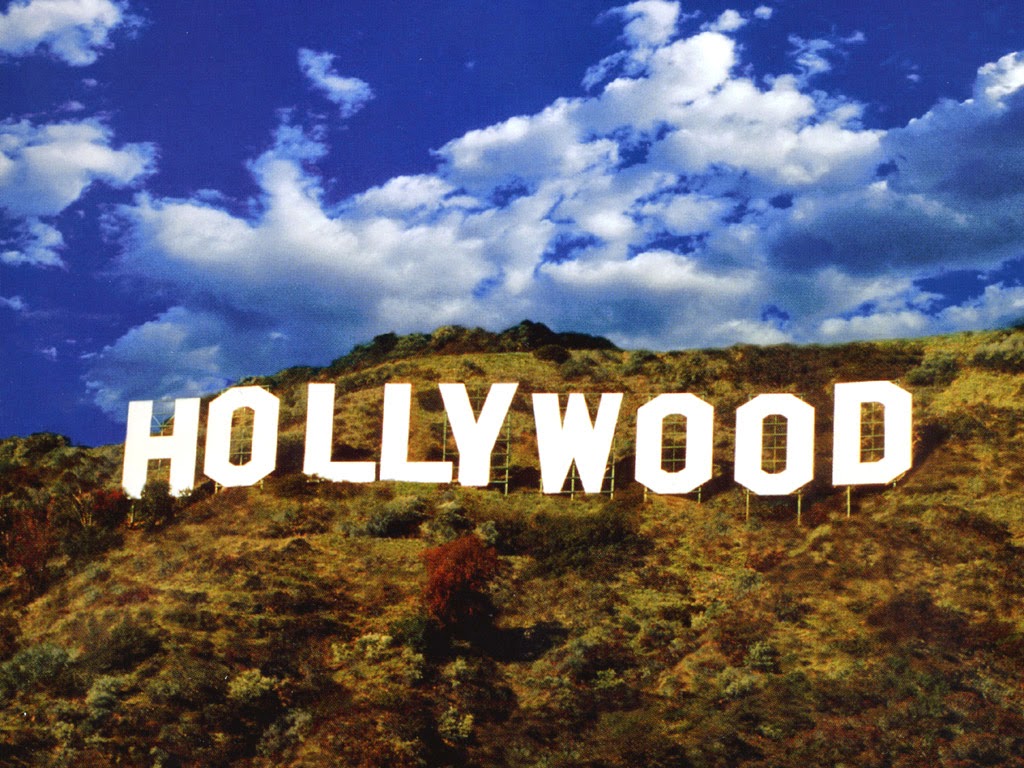
Hollywood has achieved a near-mythical stature in popular culture. The fabled Los Angeles district possesses a romantic and mysterious allure, which has made it a constant source of inspiration for songwriters, filmmakers and novelists. It has been both praised and condemned in song. Some songwriters have painted Hollywood as this glittery paradise where one’s wildest dreams, fantasies and ambitions can be fully realized. Conversely, other songwriters have lambasted Tinseltown as a deceptive seductress who lures in the naive and blindly ambitious with false promises of fame, wealth, glamour and happiness.
There have been numerous songs written about Hollywood over the years, and I thought I’d put together a list of my 11 favorite tracks about Tinseltown in no particular order—and away we go!
Holly Wants to Go to California – Funkadelic (1979)
This bittersweet ballad about chasing the Hollywood dream of fame and fortune is an underrated gem on Funkadelic’s 1979 Uncle Jam Wants You album. The track is surprisingly touching; it’s definitely not your typical Funkadelic cut. There is minimal instrumentation on the song, just a piano accompanying George Clinton’s vocals and a distant crowd cheering in the background. The spare, stripped-down arrangement works really well here. And Bernie Worrell’s stirring gospel piano playing lends a poignancy and power to the song and nicely showcases George Clinton’s ragged, soulful vocals. The P-Funk mastermind delivers an understated yet powerful vocal performance. The cracks in his voice give the song a more intimate and real feel, which helps bring the message home. The song was co-written by Clinton and Worrell.
Chaka Khan and Rufus reflect on the shallowness and superficiality that’s often concealed behind Hollywood’s glamorous façade on this gorgeous R&B/pop ballad. It tells the story of a young man who plans to move to Hollywood in hopes of finding fortune, fame, thrills and excitement. The song describes Hollywood as a wreck yard of broken dreams and false promises that's largely inhabited by plastic people. Chaka delivers a tender vocal performance. The song is very well-arranged and has a nice mellow vibe.
“Hollywood” was written by Rufus members André Fischer and David “Hawk” Wolinski and was a single from the band’s platinum-selling album Ask Rufus, released in 1977. The song had a strong showing on the U.S. charts, peaking at #3 on the R&B charts and #32 on the pop charts. The full lineup for Rufus at the time of the album’s release was Chaka Khan (lead vocals, background vocals), Kevin Murphy (keyboards, background vocals), Tony Maiden (guitar, background vocals), André Fischer (drums, background vocals) and David “Hawk” Wolinski (keyboards, background vocals).
This hoppin’ single by rockabilly pioneer Carl Perkins makes you want to jump on the first train, plane or bus to Hollywood, because he makes it sound like such a blast. The track boasts Perkins’ signature rockabilly guitar licks and a hot harmonica solo. The song was written by influential singer/songwriter Otis Blackwell, who had penned many seminal Rock & Roll classics—including Elvis hits “All Shook Up" and “Don’t Be Cruel.”
“Hollywood Squares” is one of Bootsy Collins’ most fun and imaginative tracks. It’s bursting with style and creativity and showcases Bootsy’s blissfully spaced-out sense of humor. The track is filled with great hooks and cool, inventive touches, such as regal French horns and a mock cinematic orchestral intro. And Bootsy’s bass work is extra funky as usual. It’s just a brilliant piece of quirky funk and one of the strongest tracks on the Rubber Band’s third studio album, Bootsy? Player of the Year (released in 1978), which is saying a lot considering there are so many great cuts on the LP. The song was written by Bootsy, George Clinton and Frankie Waddy. It peaked at #17 on the U.S. R&B charts. The full lineup for Bootsy’s Rubber Band on this track was Bootsy (vocals, bass, drums, guitar), Phelps “Catfish” Collins (guitar), Joel “Razor Sharp” Johnson (keyboards), Robert “P-Nut” Johnson (vocals), Gary “Mudbone” Cooper (vocals, drums, percussion), Frankie “Kash” Waddy (drums) and the Horny Horns (Maceo Parker, Fred Wesley, Richard Griffith, Rick Gardner).
This rockin’ track is about the dream held by many struggling bands of one day making the big time and becoming rock stars. It’s one of the Runaways’ best-known tracks and is from their sophomore album Queens of Noise, released in 1977. “Hollywood” features some ace playing from the Runaways and a ferocious, balls-out lead vocal performance from Joan Jett. This track captures the influential all-female rock band in all its badass glory.
The song retains the same lineup from their 1976 self-titled debut album: Cherie Currie (lead vocals), Joan Jett (rhythm guitar, lead vocals), Lita Ford (lead guitar, backing vocals), Jackie Fox (bass, backing vocals) and Sandy West (drums, percussion, backing vocals). The track was written by Jett, Fox and band producer Kim Fowley. It was featured in the 2010 biopic The Runaways, which starred Kristen Stewart and Dakota Fanning.
This rousing R&B/pop anthem is one of Kool & the Gang’s best-known ‘70s songs. It has a fun, celebratory vibe, like a huge block party going down in the middle of the street on Hollywood Blvd. There are so many great hooks on this cut, including an irresistible bass line, the “Hey, hey, hey/What ya got to say?” chant and an indelible chorus: "Hollywoooood, Hollywood swinging!” The song was inspired by the band’s experiences in Hollywood during the recording of their Live at P.J.’s album, released in 1971. Band keyboardist Ricky West sang the lead vocals.
“Hollywood Swinging” was a single from Kool & the Gang’s gold album Wild and Peaceful (released in 1973) and was penned collectively by the band. The song performed extremely well on the charts; it was the band’s first #1 single on the R&B charts, and it peaked at #6 on the pop charts. The full lineup for Kool & the Gang at the time of the song’s release was the following: Robert “Kool” Bell (bass, vocals); Ricky West (electric piano, vocals); Claydes Smith (guitar); George “Funky” Brown (drums, vocals, percussion); Dennis “Dee Tee” Thomas (alto saxophone, flute, congas, vocals); Khalis Bayyan (tenor and soprano saxophone, vocals) and Robert "Spike" Mickens (trumpet, vocals).
Alternative metal band System of a Down excoriates Hollywood in this scathing track. “Lost in Hollywood” paints Tinseltown as a decadent paradise that sucks the soul and humanity from those who move there. The song condemns those in Hollywood who exploit the naive and ambitious with false promises of fame and fortune. The song was inspired by a friend of SOAD guitarist/vocalist Daron Malakian, who handles the lead vocals here. She moved to Hollywood despite Malakian’s warnings of the dishonest and parasitic people who live there. The musician grew up in Hollywood, so he knew firsthand the type of two-faced, shady people she’d be coming in contact with.
This song is from the band’s multi-platinum album Mezmerize (2005) and was co-written by Malakian and SOAD lead singer Serj Tankian. The somber ballad features beautiful and haunting background harmonies from Malakian and Tankian. It’s just a superb song, both musically and lyrically, and contains a quiet, understated power. In addition to Malakian and Tankian, the other two members of SOAD were John Dolmayan (drums) and Shavarsh "Shavo" Odadjian (bass, backing vocals).
Influential British rock band the Kinks included this beautiful ode to screen legends on their 1972 double album, Everybody's In Show-Biz. The wistful ballad is a great example of Ray Davies’s exceptional songwriting abilities. The Kinks’ chief songwriter and lead singer can take on just about any subject and craft a brilliant song out of it. The track has Davies taking a nostalgic stroll down Hollywood Boulevard as he reminisces about silver-screen icons from the past, including Greta Garbo, Bette Davis, Rudolph Valentino and Marilyn Monroe, and how stars like these never really die because they live on through their films—and are viewed by some as just an image on the big screen rather than real people made out of flesh and blood.
Davies also reflects on the not-so-glamorous side of the film biz and sings about the stars who became lonely and unhappy due to the isolating effects of their massive stardom, as well as those who fell victim to the excesses of celebrity and fortune (drugs, alcohol, etc). The song even touches on the multitude of nameless, struggling actors and actresses who never made it in the film industry.
The lineup for the Kinks at the time they released Everybody's In Show-Biz was as follows: Ray Davies (lead vocals, acoustic guitar, Resonator guitar), Dave Davies (lead guitar, slide guitar, backing vocals, banjo and 12-string guitar on “Celluloid Heroes”), Mick Avory (drums, percussion), John Dalton (bass, backing vocals) and John Gosling (keyboards).
This dynamic Michael Jackson track reflects on the price of fame. It’s about a woman who gives up everything to achieve her dream of becoming a famous movie star. But once she realizes her dream, she learns that fame is not all that it’s cracked up to be. Now a huge star, she has no privacy, constantly hounded by bullying paparazzi and rabid autograph-seeking fans at every turn. She now lives a fishbowl existence where her every move is heavily scrutinized.
This song illustrates what a talented songwriter MJ was. In addition to the infectious, hook-filled grooves he’d create, he was also a great storyteller lyrically, often drawing from his own personal experiences as a pop/soul superstar in penning some of his best songs (i.e., “This Place Hotel,” “Billie Jean,” “Stranger in Moscow,” “Dirty Diana,” “Wanna Be Startin’ Somethin’”).
The song's powerful groove boasts a pulsating beat that’s reminiscent of the one on MJ’s classic “Billie Jean.” It also has a driving bass line and funky rhythm guitar licks that are similar to those on “Billie Jean.” The song was written by MJ, Teddy Riley and Brad Buxer. It's the second single off his posthumous album Michael, released in 2010. The previously unreleased song was written during the recording sessions for his 2001 Invincible album. It has a great dance-filled music video starring the talented Algerian-born French model, dancer, and actress Sofia Boutella. The video features many visual MJ nods, from his signature dance moves to his iconic attire.
Here's the album version of "Hollywood Tonight" that features the third verse about the protagonist feeling imprisoned by her huge celebrity. MJ's nephew, Taryll Jackson, accompanies him vocally on the third verse.
This snappy rocker is by chart-topping pop superstar Connie Francis. It’s about a bumpkin who fancies himself the town Romeo and walks around like he’s a Hollywood star (“Who's the local yokel with the horn-rimmed bifocals?”). But in reality, he’s never even been out of his small town. The song was penned by singer/songwriter John D. Loudermilk and features a rockin’ saxophone solo by legendary sax man Boots Randolph.
This Elton John ballad is both a loving tribute to legendary film star Marilyn Monroe and a searing indictment of the Hollywood star system that was in place when she worked in the film industry. This system exploited and used actors (treating them like mere commodities), building them up and then discarding them once their popularity began to wane. Monroe’s tragic story has become a cautionary tale of the downside of Hollywood superstardom.
The song was penned by John and his longtime songwriting partner, lyricist Bernie Taupin. It’s from John's multi-platinum album Goodbye Yellow Brick Road (1973). Surprisingly, the song wasn’t released as a single in the U.S., but it charted at #11 on the pop charts in the UK. In 1997, John rewrote the song’s lyrics as a tribute to Princess Diana following her tragic death in a car crash, and he performed it live at her funeral. This revised version of the song shot to #1 in many countries, and Guinness World Records listed it as the second best-selling single of all time, with more than 33 million copies sold worldwide.
Jermaine Jackson doesn’t seem to get a lot of love these days. He’s been really underrated and underappreciated of late and is frequently overshadowed by his two superstar younger siblings, Michael and Janet. People sometimes forget what a talented artist Jermaine really is. And that’s a shame because dude can put it down on the bass and is a stellar vocalist and performer. And contrary to popular belief, he’s had quite a successful career as a solo artist in his own right. He’s recorded some great music over the years as a solo artist and had several top ten hits on the R&B charts, and a few on the pop charts as well.
One of my favorite Jermaine tracks is “Let’s Get Serious,” which was the title cut from his 1980 million-selling album Let’s Get Serious. The funky, high-energy dance track was written by his Motown labelmate Stevie Wonder and singer/songwriter Lee Garrett. Stevie also produced and arranged the track as well as sang the vocal part on the bridge. And he played several instruments on the song, including synthesizer, piano, drums, electric piano (Fender Rhodes) and Celesta. The track performed extremely well on the charts and was Jermaine’s first #1 R&B single as a solo artist. It also fared well on the pop and dance charts, peaking at #9 and #2, respectively. And the song had an impressive showing on the UK charts, rising to #8.
Jermaine brought the house down when he performed the song on The Arsenio Hall Show in 1989. The singer/bassist turned in a killer performance, which reminded everyone what a charismatic and consummate live performer he was and why he was the second most popular member of the Jackson 5. He was plucking up a storm on the bass while delivering a smooth, soulful vocal performance, and he made it all look so effortless. And with the help of his background singers, he did a terrific job singing Stevie’s part on the bridge. Jermaine also performed the song on the Jacksons’ Victory Tour in 1984.
What I never understood is why Jermaine didn’t play the bass line himself on the original studio recording of the track. (Session bassist Nathan Watts played bass on the original recording.) Jermaine was clearly capable of playing it well himself, as evidenced by his performance on The Arsenio Hall Show and on the Victory Tour stops. Perhaps he just wanted to focus on delivering the best vocal performance he could and left the bass work in the very skilled hands of Watts. Or maybe it was Stevie who wanted Watts to play on the track, because he had been laying down the bottom on many of Stevie’s recordings since the mid-70s, including the classics “I Wish” and “Sir Duke.”
I guess it's not really all that important who played the bass on the studio recording of the "Let's Get Serious." But what is significant is that it's one of Jermaine’s most funky and memorable tracks. It’s just an irresistible groove highlighted by a dynamite vocal performance.