Friday, December 10, 2021

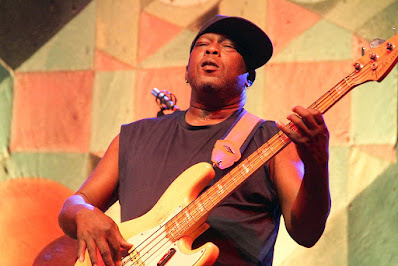
Robbie Shakespeare, Bassist of Legendary Rhythm Duo Sly and Robbie, Dead at 68

Photo by Schorle
Influential bassist and producer Robbie Shakespeare died on Wednesday following complications from kidney and liver transplants he underwent a year ago. He was 68. 

Born Robert Warren Dale Shakespeare in East Kingston, Jamaica, in 1953, the two-time Grammy-winning musician was half of the iconic rhythm duo Sly and Robbie (aka the Riddim Twins); the other half of the duo was drummer Sly Dunbar, who also hailed from Kingston. The two met in 1972 but didn’t team up as a music duo until three years later. The talented pair made a name for themselves as one of the tightest rhythm sections in reggae and dancehall music–and are credited with revolutionizing the sound of those genres. Their great musical talent and stellar production skills made them highly sought-after session players. The prolific duo has played on or produced an estimated 200,000 recordings, many of which were released on their own label Taxi Records. They have worked with reggae giants such as Bob Marley, Jimmy Cliff, Peter Tosh, Gregory Isaacs and Black Uhuru. Sly and Robbie are without question one of the most influential production duos and rhythm sections in the history of reggae music.

The versatile musicians also worked with prominent artists in other genres, including Grace Jones, the Rolling Stones, Joe Cocker, James Brown, Bob Dylan, Sinead O’Connor, Sting, Bootsy Collins, Afrika Bambaataa, Herbie Hancock, Madonna, Mick Jagger, KRS-One and Britney Spears.

In addition to recordings for other artists, Sly and Robbie released dozens of albums of their own, including superb, ambitious works such as Language Barrier, Rhythm Killers and Blackwood Dub.

Shakespeare has definitely made his mark in the bass world. His fluid, distinctive playing style has influenced legions of bassists. He lives in the pocket when he plays, which is a key part of great bass playing. The musician is considered by many as reggae music’s greatest bass player. And last year, he placed at number 17 on Rolling Stone’s list of “The 50 Greatest Bass Players of All Time.” A well-deserved honor for the musician, who will forever live on through the many recordings that he blessed with his immense talent. 


"Make 'Em Move," a track from Sly and Robbie's 1985 album Language Barrier


"Bank Job," a track from Sly and Robbie's 1987 album Rhythm Killers


Sly and Robbie performing live with Black Uhuru in 1981


Sly and Robbie provided the funky riddim for Grace Jones' 1981 hit "Pull Up to the Bumper."

Sunday, November 28, 2021

“Dance With Me” by Peter Brown

Singer-songwriter, musician and producer Peter Brown had one of the hottest club jams of 1978 with his hit “Dance With Me.” That was no small feat considering all the strong disco releases that year, including smashes by Donna Summer and Chic, not to mention the Saturday Night Fever juggernaut that was sweeping the country. Brown’s combustible disco track had folks burning up dance floors from LA to Manhattan and could be heard booming out of car stereos everywhere. The propulsive bassline drives this funky dance groove, which features slinky guitar riffs, elegant strings, percolating keyboards and a smokin’ beat. Brown delivers a rousing vocal performance and receives some extra-soulful vocal support from the “Clean Up Woman” herself,  Betty Wright. Pat Hurley and Wildflower provide additional background vocals. The track is further elevated by Robert Rans’ smooth piano solo.

The musicianship on this cut is topflight, with the players keeping the groove super-tight and snug in the pocket. And Cory Wade’s crisp production enhances the track considerably. In addition to lead vocals, Brown played drums and keyboards, with Tom Dziallo on bass and guitar. Bert Dovo is responsible for the superb string arrangement; and members of the New York Philharmonic string section contributed their talents.

“Dance With Me” was written by Brown and musician/composer Robert Rans. It was a single from Brown’s debut album, A Fantasy Love Affair (December 1977), which was released on Drive Records, a subsidiary of T.K. Records. It had a strong showing on the U.S. R&B, pop and dance single charts—#5, #8 and #4, respectively. And it also performed well in other parts of the world, peaking at #9 on the top singles chart in Canada and #3 in New Zealand. The fantastic “Do Ya Wanna Get Funky With Me” was another big dance hit from A Fantasy Love Affair. The song peaked at #18 on the U.S. pop singles chart, #3 on the R&B singles chart, and #9 on the dance chart. And it charted at #43 in the UK. It has sold more than a million copies. 

“Dance With Me” garnered Brown a Grammy nomination for Best Male R&B Vocal Performance at the 21st Annual Grammy Awards, which aired on February 15, 1979. And Billboard named him the #1 new male album artist for its 1978 Year End #1 Awards. 

“Dance With Me” has been sampled on 21 songs, including “Got to Keep On” (The Chemical Brothers), “Starksy & Hutch” (LL Cool J, featuring Busta Rhymes) and “Give It Here” (Def Jef). Also, the song was featured on the following film soundtracks: Summer of Sam (1999), Donnie Brasco (1997) and Yesterday’s Hero (1979).

Brown enjoyed a highly successful recording career in dance music, landing a total of seven Top Ten Billboard club hits. In addition to his own recordings, he wrote tracks for prominent artists such as Madonna and Agnetha Fältskog from superstar pop group ABBA. Brown and Rans cowrote Madonna’s megahit “Material Girl.” And Brown and singer Pat Hurley cowrote “Maybe It Was Magic,” a track from Fältskog’s solo album I Stand Alone, which topped the album charts in Sweden.

A severe case of tinnitus forced Brown to exit the music business in the late ‘80s. He subsequently entered the fields of architecture and design. In 2018, Brown made a return to music with the release of his album Boom. It was his first album release in more than 30 years. The 11-track collection offers a stellar mix of R&B, dance and electronic grooves, showing that Brown hadn’t lost his touch during his long absence from the music scene.


 Here's a cool clip of Peter Brown in the studio putting together "Dance With Me."

"Dance With Me" at Amazon

Saturday, October 23, 2021

“Sing a Song” by Earth, Wind & Fire

No band could musically convey sheer joy like Earth, Wind & Fire. Their exuberant R&B/pop hit “Sing a Song” is a prime example. The track is overflowing with good vibes and positive energy. It sounds like a carefree outing to the park or beach on a beautiful summer day. The song is about the therapeutic power of music and how it can lift people’s spirits when they’re feeling down. It boasts a stellar arrangement with bright horn lines, energetic guitar riffs and groovin’ bass. And Maurice White and Philip Bailey elevate the track with their vibrant vocals. The track also has a sunny, infectious chorus. This is definitely the cut to bump when you’re having a bad day, but it’s also great to listen to when you’re already in good spirits.

“Sing a Song” was written by White and EWF guitarist Al McKay. It was a studio track from Earth, Wind & Fire’s triple-platinum double-live album Gratitude, which was released on November 11, 1975. The song spent two weeks atop Billboard's R&B singles chart and peaked at #5 on Billboard’s Hot 100 pop chart. The gorgeous ballad “Can’t Hide Love,” another studio cut from the album, had an impressive showing on the Billboard’s R&B singles chart, peaking at #11. 

Gratitude was released on Columbia Records, and it was produced by Maurice White, Charles Stepney and Joe Wissert (live shows). The full band lineup for the album was Verdine White (bass, vocals, percussion), Larry Dunn (piano, organ, Moog synthesizer), Fred White (drums, percussion), Johnny Graham (guitar), Andrew Woolfolk (saxophone, percussion), Philip Bailey (vocals, congas, percussion), Maurice White (vocals, kalimba, drums, timbales, producer), Don Myrick (saxophone), Al McKay (guitar, percussion), Louis Satterfield (trombone), Ralph Johnson (drums, percussion) and Michael Harris (trumpet).

“Sing a Song” was included on the following film soundtracks: Something’s Gotta Give, Think Like a Man, Radio Arrow, The Color of Friendship and the video game For All Mankind Time Capsule. Also, it was sampled on the song “Hey Goldmember,” which Beyoncé sang in the 2002 spy action comedy Austin Powers in Goldmember.


Sunday, October 10, 2021

“Hang Loose” by Mandrill

In 1973, Brooklyn groove outfit Mandrill scored their third hit with the eruptive funk jam “Hang Loose.” The dynamic track showcases the band's formidable musicianship. Fudgie Kae ignites the groove with a killer bass line, and the badass horn section serves up some potent brass funk. The kinetic percussion work and tight rhythm guitar riffs significantly enhance the song's groove quotient. Things shift from urgent hard-hitting funk to smoldering Latin jazz-rock on the instrumental bridge, which features a superb solo from guitarist Omar Mesa. Not to be outdone, Claude “Coffee” Cave lets loose with a scorching organ solo when the band returns to the main groove. 

The song touches on the daily struggle for survival in America, especially for those who live in distressed urban areas, and how this constant struggle places people at odds with one another, which begets violence and other crimes among those in the community.  “Hang Loose” calls for unity and peace and for people to respect one another.

“Hang Loose,” written by Cave, was a single from Mandrill’s third album Composite Truth (1973), released on Polydor Records. The song peaked at #25 on Billboard’s R&B single chart and #83 on Billboard’s Hot 100. The album also contains the band’s biggest hit “Fencewalk” (#19 R&B chart, #52 pop chart). The collection was produced by Alfred V. Brown and Mandrill.

The full band lineup for Composite Truth was Frederick “Fudgie Kae” Solomon (bass, acoustic guitar, percussion, vocals); Neftali Santiago (drums, vocals); Omar Mesa (lead guitar, percussion, vocals); Claude “Coffee” Cave (keyboards, vibraphone, percussion, vocals); Dr. Ricardo Wilson, aka “Doc Ric” (tenor saxophone, alto saxophone, percussion, vocals), Carlos Wilson (trombone, flute, alto saxophone, guitar, timbales, drums, percussion, vocals); Louis “Sweet Lou” Wilson (trumpet, congas, percussion, vocals).


Related blog entry: "Fencewalk" by Mandrill

Monday, September 27, 2021

Celebrated Sax Man, Pioneering Funk Veteran Pee Wee Ellis Dead at 80

Acclaimed jazz saxophonist, composer and arranger Alfred "Pee Wee" Ellis died on Thursday, September 23, "following complications with his heart," said a statement shared on his Facebook page. He was 80.

Ellis was a pivotal figure in funk music and made major contributions to the genre’s early development through his work with James Brown. He joined Brown’s horn section in 1965 as an alto saxophonist but later switched to tenor saxophone, his preferred instrument. Within two years of joining the band, he was promoted to Brown’s musical director. Ellis co-wrote and arranged groundbreaking funk classics such as “Cold Sweat,” “Mother Popcorn (You Gotta Have a Mother For Me),“Licking Stick, Licking Stick,” and the iconic black pride anthem “Say it Loud - I’m Black and I’m Proud.” And he contributed his formidable saxophone skills to these influential tracks. The melding of Ellis’s jazz-honed chops with Brown’s gritty rough-and-tumble R&B roots helped bring a dynamic new element to Brown’s nascent funk sound.

In autumn of 1969, Ellis left Brown’s band to explore new music opportunities; he began collaborating with various artists, including George Benson, Hank Crawford and Esther Phillips. And in 1972, Ellis co-founded the jazz-rock funk band Gotham. The members of Gotham were Ellis, Linc Chamberland (guitar), Schuylar "Sky" Ford (vocals, acoustic guitar), Chris Qualles (bass), Frank Vicari (alto and tenor saxophone), John Gatchell (trumpet, flugelhorn), Jimmy Strassburg (drums, congas) and John Eckert (trumpet, flugelhorn). The band recorded some amazing fusion grooves together. 

Between 1979 and 1986, Ellis served as musical director and arranger for Van Morrison’s band and then again from 1995 through 1999. Ellis played on highly praised Van Morrison albums such as Into The Music (1979) and Beautiful Vision (1982).  In 2012, Ellis joined Ginger Baker's Jazz Confusion, a quartet comprising Ellis, legendary Cream drummer Ginger Baker, bassist Alec Dankworth and percussionist Abass Dodoo. They toured in 2013 and 2014, thrilling appreciative music fans with their stellar musicianship.

In the late ‘80s, Ellis formed the J.B. Horns with former James Brown horn players Maceo Parker (saxophone) and Fred Wesley (trombone). This trio brought heaps of funk onstage and in the studio. They also frequently backed singer/performer Bobby Byrd, another James Brown alumnus, in concert. In the early ‘90s, Ellis formed his own band, the Pee Wee Ellis Funk Assembly. The band remained active, touring and recording, for years. 

Ellis had a tremendous impact on contemporary music, leaving a large footprint in funk, jazz, R&B and jazz-funk. His far-reaching legacy will not be forgotten.


"Cold Sweat," part 1 and 2


                                        "Ease My Mind" by Gotham

Tuesday, September 21, 2021

“Queen Of Clubs” by KC & The Sunshine Band

KC & The Sunshine Band dropped this electrifying dance track in 1974. This hot cut displayed the Miami-based disco-funk outfit’s considerable talent at crafting potent booty-shaking dance grooves. The song is about an avid clubgoer who’s a legend of the club scene due to the excitement she always brings to the dance floor. This track has a rawer, grittier sound than the band's later, more polished disco chart-toppers. The groove pulsates with energy and funk; it’s driven by a ferocious beat that’s complemented by a dirty bass line. And the sizzling rhythm guitar licks significantly increase the groove’s funk level, while the horns blast tight salvos of brass fire. Frontman Harry Wayne Casey, better known by his stage name KC, delivers an enthusiastic and soulful lead vocal performance. And the irresistible chorus takes the track over the top.

“Queen Of Clubs” was the third single from KC & The Sunshine Band’s debut album, Do It Good, released in 1974 on TK Records. It was co-written by KC and producer, songwriter, percussionist Willie Clarke. It peaked at #66 on Billboard’s Hot 100 and climbed to #25 on Billboard’s R&B singles chart. The song performed extremely well in the UK, rising to #7 on the charts. 

Produced by Richard Finch, Do It Good is a solid collection of R&B and funk tracks. In addition to “Queen of Clubs,” other album highlights include the super-funky title track and the infectious grooves “Blow Your Whistle” and “Sound Your Funky Horn.” The full band lineup for the album was KC (keyboards, vocals), Jerome Smith (guitar), Richard Finch (bass, drums, percussion), Ken Faulk (trumpet), Oliver Brown (percussion), Vinnie Tanno (trumpet), Mike Lewis (tenor saxophone), Fermin Goytisolo (percussion), Whit Sidener (baritone saxophone), Beverly Champion (background vocals), Margaret Reynolds (background vocals) and Jeanette Williams (background vocals). And guest musicians included Jimmy “Bo” Horne, George McCrae, Gwen McCrae, and Betty Wright, all of whom provided background vocals. 

Following Do It Good, KC & The Sunshine Band rode a string of global dance smashes to superstardom, becoming one of the hottest disco acts on the planet. The band was the first act to have four number-one singles on the pop charts in a 12-month period since the Beatles in 1964. They won a Grammy in 1978 for their contribution of “Boogie Shoes” to the massively popular Saturday Night Fever soundtrack. And the band received a star on the Hollywood Walk of Fame in 2002.


Sunday, August 29, 2021

“You Gotta Believe” by the Pointer Sisters

Richard Pryor and the Pointer Sisters on the Car Wash set
Richard Pryor and the Pointer Sisters on Car Wash set
“You Gotta Believe” is one of the Pointer Sisters’ funkiest tracks. The bodacious groove lands smack dab in the funk zone and doesn’t let up. The song showcases the legendary group’s powerful gospel-infused vocals. The talented quartet brings tons of soul and fiery conviction to the mix. They kick things off in epic fashion with, “Doodle wop a-rat-a-tat boom/I'll make the sound of a jet plane zoom.” That’s one hell of an opener. Rose Royce bassist Lequeint "Duke" Jobe serves up a wicked thumpin’ bass line that’s sure to bring a big smile to the faces of funk lovers and bass players. The track also features some dirty guitar licks and a mammoth rumbling beat. 

The Pointer Sisters performed the song in a spirited scene from the 1976 cult comedy classic Car Wash. They play the Wilson Sisters, who are devoted acolytes of a silver-tongued Reverend Ike-type evangelist named Daddy Rich, portrayed with verve and devilish charm by Richard Pryor. Although the song is specifically directed at the character Abdullah, it could be taken in a broader context and applied to anyone who shares a similar attitude. It’s about how many people don’t have faith, hope or belief in anything and often imprison themselves mentally with their own negativity, cynicism and anger—and they frequently take it out on others rather than taking a hard look at themselves. And the fact that the Wilson Sisters are followers of a rapacious charlatan doesn’t make their message any less valid. Sometimes deep wisdom can come from the mouths of snakes. The lyrics also have an underlying feminist theme and reflect on the tensions between black women and black men during that time. The Wilson Sisters indirectly ask the militant Abdullah if they can be allies in his “revolution” as opposed to them being adversaries. But he first needs to drop his chauvinistic and disdainful attitude toward black women before they can work together for the common good of the movement.

“You Gotta Believe” was co-written by Jobe and Rose Royce drummer Henry Garner, who also played drums on the track. The other players on the song were guitarists Kenji Brown and Melvin “Wah Wah” Ragin, who were both members of Rose Royce. 

The song was included on the Car Wash soundtrack, which was produced by Norman Whitfield. And it’s the only track on the album that's not sung by a member of Rose Royce. “You Gotta Believe” had a pretty strong showing on the U.S. R&B singles chart, peaking at #14.

The Pointer Sisters—Anita, June, Bonnie and Ruth—already had a few hits and a Grammy under their belt by the time they recorded “You Gotta Believe,” and their appearance in Car Wash helped further increase their popularity. Their star steadily continued to rise in the subsequent years, and by the ‘80s, they were one of the biggest music acts in the world with a string of huge crossover hits to their credit. They received a star on the Hollywood Walk of Fame in 1994 and were inducted into the Vocal Group Hall of Fame in 2005. The group earned three Grammys during their career. 

Bonnie left the Pointer Sisters in 1977 to pursue a solo career and signed with Motown Records the following year. She landed several modest hits as a solo artist. Her biggest hit was a disco cover of the Elgins’ song “Heaven Must Have Sent You” ( #11 pop charts, #8 on the dance charts, and #52 on the R&B chart). She died last year from Cardiac Arrest at age 69. Anita and Ruth are the only surviving original members of the group. 


The Pointer Sisters performing "You Gotta Believe" in a scene from Car Wash


Related blog entries: