Thursday, May 5, 2022

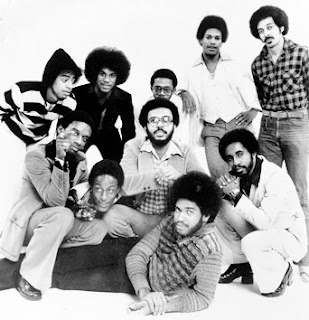
"I Like Girls" by The Fatback Band

This wickedly funky old-school joint by the Fatback Band features an absolute beast of a bass line. It’s one of the coldest bass lines ever laid on a track, and that’s no joke. It’s complemented by an equally dope beat. And the smokin’ horns put an exclamation point on this ruthless groove. The song is about a pastime that dudes have engaged in since time immemorial–girl-watching. You can envision sexy mamas everywhere sashaying to this nasty cut. The track also effectively utilizes rim drumming and cowbells. It’s the perfect jam to blast in your ride during the summer months with the windows down.

“I Like Girls” was a single from the Fatback Band’s ninth album, Fired Up ‘N’ Kickin’ (1978). It was written and arranged by drummer/songwriter/producer Bill “Fatback” Curtis, the band’s founder and leader. The song was a big hit on Billboard’s R&B singles chart, rising to #9. The players on Fired Up ‘N’ Kickin’ were Bill Curtis (drums, percussion, vocals), Johnny "Flip" Flippin (bass, lead vocals), Calvin Duke (keyboards, lead vocals), Kenny Ballard (guitar, backing vocals), Fred Demery (saxophone), Gerry Thomas (keyboards), George Williams (trumpet, backing vocals), Lenny Fridie Jr. (congas) and Sam Culley (keyboards). The album was co-produced by Bill Curtis and Gerry Thomas.

“I Like Girls” has been sampled on six tracks, including “‘Cross The Room” by Monica, featuring Debra Killings, and Afroman’s “Girls.” It was also featured in an episode of HBO’s landmark crime drama series The Sopranos. The episode was titled “No Show,” and HBO originally aired it on September 22, 2002.

Bill Curtis formed the Fatback Band in 1970 in New York City. He was a veteran session drummer at the time with already 20 years of playing under his belt, which included session work and touring with various music acts. He had toured the country with renowned artists such as Sil Austin, Bill Doggett, Big Maybelle, Clyde McPhatter, and Paul Williams. His concept for the Fatback Band was to meld the “fatback” jazz beat of New Orleans with dynamic West Indian and Caribbean rhythms. This unique fusion became the blueprint for the first disco beat. 

The original lineup of the Fatback Band was Bill "Fatback" Curtis (drums), Johnny King (guitar), Johnny "Flip" Flippin (bass), Earl Shelton (saxophone), George Williams (trumpet), and Wayne Woolford (congas). Curtis soon expanded the ensemble by recruiting sax players George Adams and Fred Demery, keyboardist Gerry Thomas, and guitarist George Victory.

In 1972, the band signed with Perception Records, a New York-based imprint that focused primarily on jazz and R&B. They scored their first hit with the raw funk jam “Street Dance” in June of that same year. The song peaked at #26 on the U.S. R&B singles chart. The Fatback Band released three albums with Perception–Let’s Do It Again (which contained “Street Dance”), People Music, and Feel My Soul–before signing with Event Records in 1974. 

By the mid-’70s, the band began shifting toward a more dance-based sound and incorporating jazz and Latin elements into their music. This revamping of their sound turned out to be a smart move as they scored their biggest hit to date during that period with “(Do The) Spanish Hustle,” released on Polydor Records in 1975. The driving, Latin-infused disco track saw significant chart action. It peaked at #12 on the U.S. R&B singles chart and climbed all the way to #5 on the U.S. dance charts. It also charted at #10 on the UK singles chart and just missed cracking the top 100 on the U.S. pop charts, landing at #101. 

The band landed another hit in '75 with the funkalicious “(Are You Ready) Do The Bus Stop.” The track peaked at #37 on the U.S. R&B singles chart and rose to #15 on the U.S. dance chart. It also performed well overseas, climbing to #18 on the UK singles chart and #26 on the Australian singles chart. In 1977, the band shortened its name to Fatback.

In the subsequent years, the band dropped more great music, including the seminal proto-rap track “King Tim III (Personality Jock)," released on March 25, 1979. It’s credited as the first commercially released rap single. The song was released nearly six months before The Sugarhill Gang dropped their landmark track “Rapper’s Delight.” “King Tim III” boasts a powerful funk groove and a rousing rap performance from Harlem rapper Tim Washington, aka King Tim III. The track rose to #26 on the U.S. R&B singles chart and peaked at #62 on the U.S. dance charts.

In 1980, the band released the bumpin' party jam “Backstrokin.” It’s their highest-charting single on the U.S. R&B charts, peaking at #3. And it climbed to #53 on the U.S. dance charts and #41 on the UK singles chart.

The Fatback Band had a major influence on genres such as disco, disco-funk, hip-hop, and dance music in general. Their electrifying sound encompasses several different styles, including jazz, funk, R&B, disco, Latin, disco-funk, and rap. Their music has been sampled on 513 tracks.

The Fatback Band are still going strong and have some tour dates lined up for this summer. The current lineup is Bill Curtis (percussion), Ed Jackson (saxophone), Isabella Dunn Gordon (vocals), Ledjerick Todd Woods (trumpet), Darryl McAllister (guitar), Zachary Guinn (bass, vocals), Montreal Parker (drums), and Marell Antwon Glenn (keyboards). Visit the band’s official site for more info.

Thursday, April 21, 2022

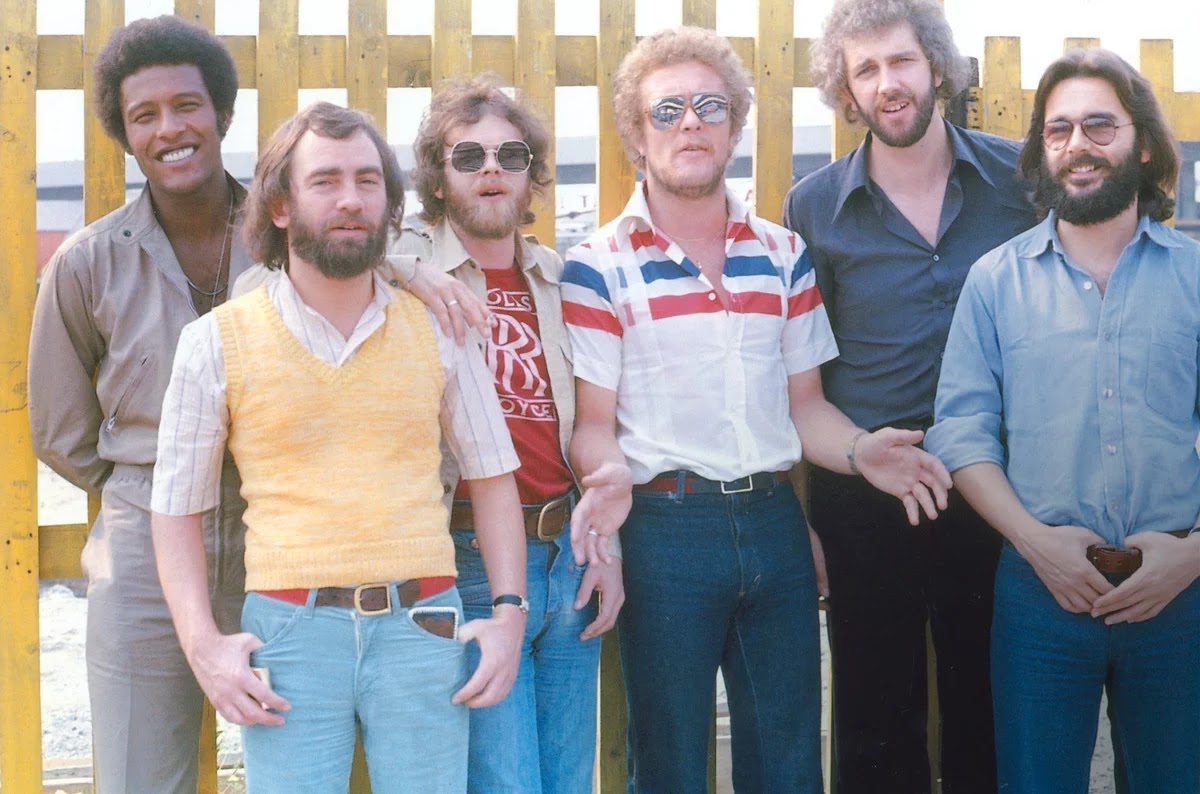
"Changin'" by Brass Construction

Back in the day, Brooklyn groove outfit Brass Construction had folks burning up dance floors with its potent brand of funk, including the scorching dance-floor anthem “Changin'.” This funky dance track features an irresistible bass line and super-tight horns. The groove is further enhanced by hot guitar licks, a powerful beat, and a fantastic string arrangement. And musicianship on this cut is top-flight.

“Changin’” was written by producer/songwriter/arranger/keyboardist Randy Muller. It was a single from Brass Construction’s self-titled debut album, which was released in 1975 on United Artists Records. It topped Billboard’s Dance Club chart and peaked at #24 on Billboard's R&B singles chart. The other single from the album was the dance smash “Movin’,” which topped both Billboard's R&B singles chart and Billboard's Dance Club chart and climbed to #14 on the Billboard Hot 100.

“Changin’” has been sampled on 10 songs, including Jill Scott’s “Gimme” and Schoolly D's “Black Jesus." It was also featured on the soundtrack for the 2003 film Biker Boyz, as well as the soundtrack for the video game Grand Theft Auto V.

The band’s self-titled debut album spent three weeks atop Billboard's R&B album charts and peaked at #10 on the Billboard 200. It ultimately went platinum. The album also had a strong showing across the pond, climbing to #9 on the official UK album chart. Additionally, it garnered high praise from music critics and was nominated for Best R&B Instrumental Performance at the 19th Annual Grammy Awards in 1977. The landmark collection redefined dance music and was highly influential to the funk genre. It also had a huge impact on the Britfunk movement (Light Of The World, Incognito, Hi-Tension, Level 42) of the late ‘70s and early ‘80s. London-based Soul Brother Records re-released the album in 2010.

Brass Construction was formed in Brooklyn, New York, in 1968 under the name Dynamic Soul. It was originally a rock/R&B quartet led by Randy Muller. By 1972, the band had expanded into a nine-piece ensemble with jazz and Latin influences. Around this time, Muller changed the band’s name to Brass Construction. The band continued to add more colors to its musical palette, including funk, African, Caribbean, and disco. Brass Construction was signed to United Artists Records in 1975 and released their self-titled debut album that same year. The collection was produced by Jeff Lane. 

The lineup for Brass Construction at the time they dropped their debut album was Randy Muller (flute, vocals, percussion, timbales, keyboards, arranger), Wade Williamston (bass), Larry Payton (drums, vocals), Joseph Arthur Wong (lead guitar), Jesse Ward Jr. (saxophone, vocals), Wayne Parris (trumpet, vocals), Sandy Billups (vocals, congas), Morris Price (trumpet, vocals, percussion), Michael Grudge (saxophone, vocals) and Irving Spice (strings).


Related blog entry: "Movin'" by Brass Construction

Friday, April 15, 2022

"I'm The One” by Average White Band

Scottish funk outfit Average White Band dropped this super-smooth groove back in 1976. It features a superb horn arrangement with the horn section serving up massive doses of pure funk. The rest of the band are also on their game here. The track boasts an extra-funky bass line, sweet rhythm guitar licks and a potent beat. And Alan Gorrie infuses his lead vocal with cool understated soul. This is one of AWB’s most underrated tracks and deserves a lot more love.

“I’m The One” was written by Alan Gorrie, Hamish Stuart, Roger Ball and Average White Band. It’s a track from AWB’s platinum-selling fourth album Soul Searching (1976), which was produced by Arif Mardin and released on Atlantic Records. The collection also contains the exquisite soul ballad “A Love Of Your Own.”

“I’m The One” has been sampled on 10 songs, including Brand Nubian’s “Word is Bond” and Mellow Man Ace’s “Gettin Stupid.” It was also featured on the soundtrack for Larry Clark’s controversial 1995 film Kids.

The full AWB lineup for Soul Searching was Alan Gorrie (bass, guitar, lead and backing vocals), Hamish Stuart (bass, guitar, lead and backing vocals), Roger Ball (alto saxophone, keyboards, horn and string arrangements), Steve Ferrone (drums, percussion), Malcolm Duncan (tenor saxophone) and Onnie McIntyre (guitar). Some of the guest musicians featured on the album included Michael Brecker (tenor saxophone), Barry Rogers (trombone), Marvin Stamm (trumpet), Kenneth Bichel (synthesizer), Randy Brecker (trumpet), Carlos Martin (congas) and cellists Seymour Barab, Alan Schulman, Jesse Levy.


Friday, March 25, 2022

“Aufu Oodu” by Ramsey Lewis

“Aufu Oodu” is one of the baddest fusion cuts ever committed to wax. The wicked, hair-raising groove effectively melds funk, jazz, and African influences. Ron Harris lays down a ferocious bass line, while the dynamic horn section blasts the funk level to the stratosphere. Ramsey Lewis lets loose with an electrifying synthesizer solo, followed by Derf Reklaw-Raheem’s brilliant flute work. Additionally, the funky guitar riffs further enhance the groove.

The track features Earth, Wind & Fire-esque lyrics. It's an entreaty to a funky witch doctor named Aufu Oodu to create a powerful potion that will spread happiness, peace, love, and positivity worldwide. Its theme is similar to EWF’s song “Jupiter,” but instead of an extraterrestrial messenger of peace, it’s a mystical healer who utilizes voodoo for the good of humanity.

“Aufu Oodu” was written by Derf Reklaw-Raheem. It’s a track from jazz legend Ramsey Lewis’ 1976 album Salongo, which was released on Columbia Records. Maurice White and Charles Stepney co-produced the LP. The collection is a satisfying sonic stew of funk, jazz, Latin, soul, and African influences. It climbed to #7 on Billboard’s Top Jazz Album chart and peaked at #17 on Billboard's R&B album chart.

The players on the album were Ramsey Lewis (piano, electric piano, keyboards), Ron Harris (electric bass), Steve Cobb (drums, vocals), Jimmy Bryant (clavinet), Derf Reklaw-Raheem (flute, percussion, vocals), Maurice White (drums, timbales, vocals), Don Myrick (tenor saxophone), Larry Dunn (keyboards), Byron Gregory (electric and acoustic guitar), Verdine White (bass, vocals), Al McKay (guitar), George Bohanon (trombone), Harvey Mason (drums), Bobby Bryant (trumpet), Ernie Watts (saxophone), John Lind (background vocals), Janice Gower (concertmaster, violin), Jerry Richardson (saxophone), Oscar Brashear (trumpet), Fred Jackson (saxophone), Leon “Ndugu” Chancler (drums) and Tang (vocals).

Maurice White and Ramsey Lewis enjoyed a very productive musical relationship. Before forming Earth, Wind & Fire, White played drums for the Ramsey Lewis Trio for nearly three years. He later wrote and produced the title track for Lewis’ smash album Sun Goddess (1974). EWF would sometimes perform “Sun Goddess” in concert. The band’s triple-platinum double-live album Gratitude (1975) contains a majestic live performance of the song. 


Sunday, March 20, 2022

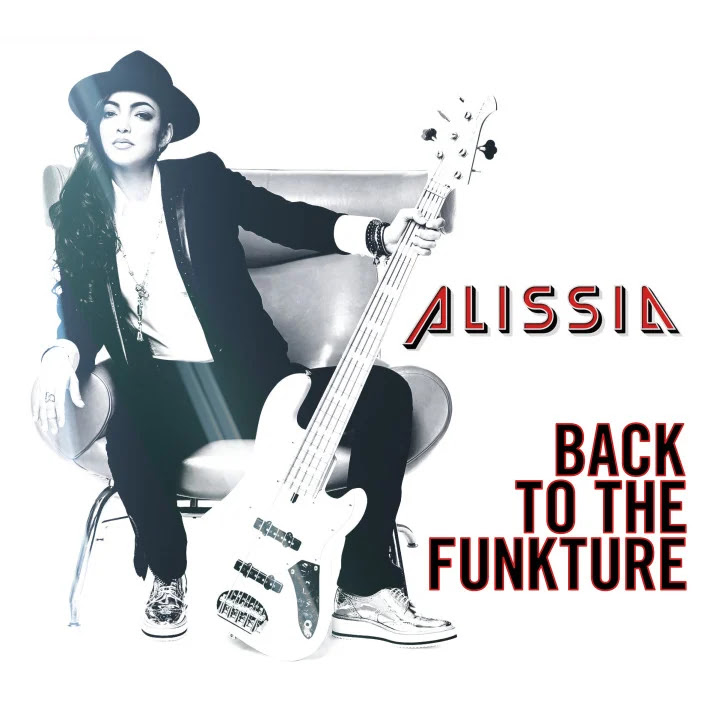
Review of Alissia Benveniste’s Debut EP Back To The Funkture

Bassist/songwriter/producer Alissia Benveniste released her debut EP Back To The Funkture in 2016. The six-song collection showcases Benveniste’s tremendous bass chops and strong songwriting and production skills. Back To The Funkture is a fitting title because this EP is pure funk from start to finish. The title track is a killer groove that features a fantastic horn arrangement by multiple Grammy-winning trumpeter and arranger Philip Lassiter. He and the funk band Lettuce’s horn section contribute their considerable talents to the track. And Benveniste brings the fire on bass.  

The second track listed on the EP is the irresistible funk groove “On The Go,” which boasts some sweet chicken-scratch guitar licks and super-dope bass work from Benveniste.

A particularly strong cut from the collection is the high-voltage “Take Off.” Benveniste serves up some nasty bass on this funky Prince-flavored jam. The talented bassist thumps and plucks up a storm here. “Take Off” is followed by the equally funky “Get Down.” This wicked funk groove features some incredible horn charts and more superb bass work from Benveniste.

The inspirational gospel-tinged “Holdin’ On” is definitely an EP highlight. The track features a marvelous vocal arrangement and some dazzling horn work. And the soulful organ infuses some church into the groove. 

Benveniste closes out the EP with the delectably funky “Let It Out.” This badass groove is impeccably arranged and performed. The video of the musician's live performance of the song at her alma mater Berklee College of Music currently has over five million views at Youtube.

For reasons unknown, Benveniste later canceled the EP and removed it from all of her online platforms. 


Back To The Funkture full EP

Related blog entry: Funkiest Female Bass Players

Tuesday, March 15, 2022

“Stellar Fungk” by Slave

 In 1978, Dayton groove masters Slave served up another helping of their dynamic brand of funk with the hot track “Stellar Fungk.” Mark “The Hansolor" Adams anchors the groove with a powerful bass line, and guitarist Danny Webster unleashes some blazing fretboard magic. The track features spectacular horn charts and some smooth synth and keyboard work. And the talkbox parts give the track its galactic-funk interstellar vibe.

“Stellar Fungk” was a single from Slave’s third album The Concept (1978). The song peaked at #14 on the R&B singles chart. The album also performed well on the R&B charts, climbing to #11. The collection was produced by Jeff Dixon and released on Cotillion Records, a subsidiary of Atlantic Records.

The full band lineup for The Concept was Stephen C. Washington (trumpet, percussion and background vocals), Mark “Drac” Hicks (lead and rhythm guitar, background vocals), Tom “Tiny” Dozier (drums), Danny Webster (lead and rhythm guitar; lead and background vocals), Floyd “The Brother Slide” Miller (trumpet, trombone, percussion, lead and background vocals), Carter Bradley (keyboards), Mark “The Hansolor” Adams (bass, vocals and percussion), Orion "Bimmy" Wilhoite (alto and tenor saxophone), Tom Lockett Jr. (tenor and alto saxophone, keyboards), Steve Arrington (drums, percussion), Starleana Young (vocals). This was Slave’s first album to include Young and Arrington, who would eventually become lead singer of the band.

“Stellar Fungk” was written by Webster, Adams, Hicks, Washington and Arrington.


Saturday, March 12, 2022

“100 Watts of Funky” by Jesse Johnson

With a bold title like “100 Watts of Funky,” you better make damn sure that track is as funky as humanly possible. And Jesse Johnson definitely delivered on the promise of the title–and then some. This is one filthy groove. It’s the type of funk that automatically makes you go into ugly stank-face mode as soon as it comes on. This electrifying funk assault features nasty rhythm guitar licks, heavy bass and some sizzling sax work from Eddie Mininfield and David Cochrane. And singers Kim Riley and Sue Ann Carwell provide some soulful support on the background vocals.

Johnson wrote and produced “100 Watts of Funky.” And he played all the instruments except for the horn parts. The track is from his 2009 album release Verbal Penetration Vol 1 & 2, a criminally underappreciated collection of stellar funk, R&B, rock and blues tracks. It's the only solo album he has released so far this century. However, that doesn’t mean he hasn’t been keeping busy. He joined D’Angelo’s band, The Vanguard, in late 2011 after leaving The Time for good. Johnson has been recording and touring with D’Angelo ever since. Additionally, he played on D’Angelo’s Grammy-winning album Black Messiah (2014).